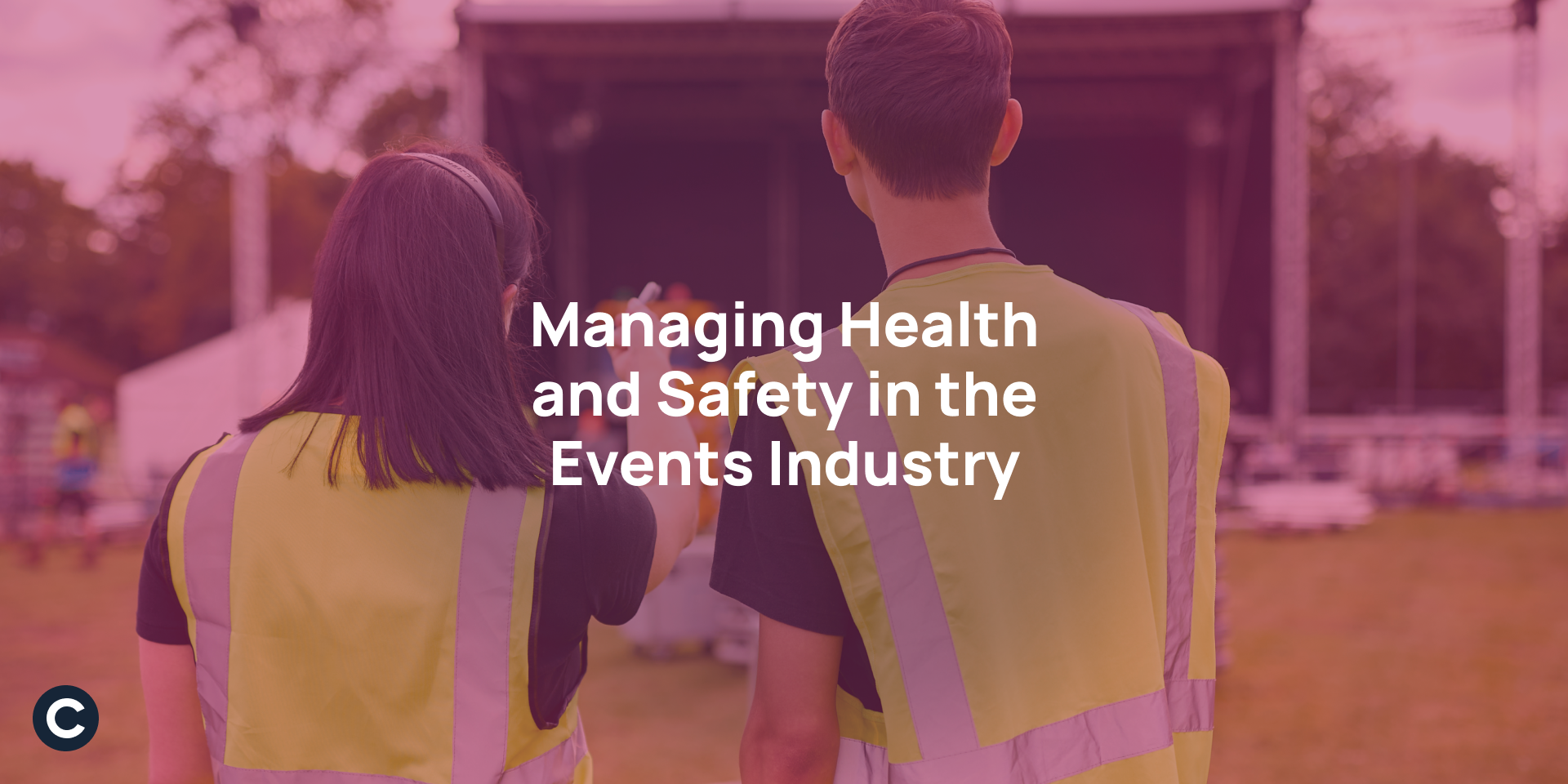
In the world of events, success is not just about creating wow moments, ensuring seamless logistics, or executing impressive activations; it’s also about ensuring everyone’s safety. As an international event staffing and experiential agency, Coalition understands that robust health and safety practices are foundational, protecting staff, attendees, clients, and its reputation. This post outlines key principles, legal duties, planning steps, and best practices for managing health and safety across every stage of your event.
The Legal & Moral Duty in Events
In the UK and many other jurisdictions, event organisers are subject to a legal duty of care under the Health and Safety at Work etc. Act 1974 and related regulations, you must ensure, so far as is reasonably practicable, the health, safety, and welfare of all staff, contractors, and attendees.
Beyond compliance, a safe event signals professionalism, builds trust with clients and attendees, reduces the risk of liability, and protects your brand. Events are highly visible; in the face of neglect, a single failure can generate negative media attention.
Core Pillars of Health & Safety in Events
Here are the foundational elements you must incorporate into your event safety strategy:
1. Risk Assessment & Hazard Identification
From the earliest planning stage, you must map out potential hazards:
• Structural risks (temporary builds, rigging, scaffolding).
• Electrical and lighting risks.
• Trip and fall hazards (cables, loose flooring).
• Crowd movement and density.
• Fire, smoke, and flammable materials.
• Medical emergencies, first aid.
• Weather and environmental conditions.
• Vehicle movement and loading zones.
• Food safety and catering risks.
• Security threats and terrorism risks.
You should document the risks, evaluate the likelihood and severity, and define mitigation measures. In the UK, if your organisation employs five or more people, risk assessments must be recorded.
2. Venue & Site Design Safety
The venue itself must be suitable and safe:
• Ensure proper site access, circulation routes, emergency exits, disabled access, and crowd flow.
• Ensure that structural designs, staging, trusses, roof loads, and anchor points meet engineering standards.
• Clarify responsibilities where venue management overlaps with your team, and who controls which areas or infrastructure.
• Plan for utilities: power, water, drainage, waste disposal, and environmental hazards.
• Consider public health hazards, adequate toilets, hand-washing facilities, and changing rooms, among other essentials.
3. Crowd Management & Stewarding
Crowd safety is a significant risk in events with large numbers. It requires:
• Trained stewards, marshals, and crowd controllers with clearly defined roles.
• Barriers, signage, sufficient entry and exit routes, and queuing systems.
• Monitoring crowd density and flow, using threshold triggers to open additional lanes or routes as needed.
• Coordination with security, police, fire services, and medical teams.
• Emergency evacuation planning and rehearsals.
4. Emergency Planning & Incident Response
Your event must have robust contingency plans for emergencies:
• Fire, structural collapse, medical incidents, severe weather, crowd crush, terrorism, or power failure.
• Clear procedures for raising the alarm, evacuation, communication, first aid, and liaison with emergency services.
• Communication protocols for staff, contractors, and attendees. Include mass notifications, signage, and PA announcements.
• Scenario planning and drills, walkthroughs, or tabletop exercises should be conducted before the event.
• Designed roles and chains of command to ensure clear decision-making in a crisis.
5. Competence, Training, & Inductions
You must ensure that everyone on site is competent and aware of the safety plan:
• Pre-event training and inductions for staff, contractors, and volunteers.
• Talks daily, reminders or briefings.
• Ensure specialist staff (riggers, technical crew) are certified, licensed or trained appropriately.
• Contractors must provide their method statements and risk assessments.
6. Monitoring, Supervision, & Review
Health and safety is not “set and forget.” You must:
• Monitor operations continuously through safety officers or supervisors.
• Inspect high-risk zones, temporary structures, and crowd pressure points.
• Use checklists or audit tools to confirm that risk controls are working effectively.
• Review and adapt on the fly if conditions change (weather, attendance, technical issues).
• After the event, conduct debriefs, record incidents, lessons learned, and feed into future improvements.
7. Special Considerations: Weather, Hot Conditions & Environmental Risks
Events exposed to weather need extra planning:
• In hot weather, risks of dehydration, heat exhaustion, or sunstroke must be mitigated. Provide shaded areas, water stations, rest zones, and messaging to attendees.
• In case of rain or wind, temporary structures, roof loading, drainage, and slip surfaces must be carefully assessed.
• Environmental risks, such as flooding, poor ground conditions, or uneven terrain, require advance site assessments and contingencies.
8. Safety Signage & Signalling
Clear signage is essential, including emergency exits, hazard zones, first aid stations, and restricted areas. Under the UK’s Safety Signs & Signals Regulations, signs, acoustic alarms and signals must meet standards.
Challenges & Pitfalls To Watch For
• Poor coordination among multiple contractors, each with their own safety assumptions.
• Inadequate time for safety planning when events are fast-tracked.
• Underestimating crowd behaviour, especially in unpredictable or dynamic settings.
• Relying solely on venue or third-party safety plans without overlaying event-specific hazards.
• Insufficient staff training or a lack of clarity about emergency roles.
• Ignoring continuous review, plans that are outdated or not acted upon are ineffective.
In the events industry, managing health and safety is not optional. From risk assessment and site design through crowd control, emergency planning, staff competence, monitoring, and review, it requires thorough, layered planning. Doing so protects lives, ensures smooth execution, meets legal duties, and upholds your reputation.
When you partner with Coalition for event staffing and experiential activations, safety is built in. We bring the training, oversight, collaborative mindset and operational discipline to help your events run not only brilliantly, but securely and responsibly. If you’re planning a large-scale activation or complex event and want to embed best-practice health and safety, reach out to our team and let’s build your safest possible experience.